Headlines surrounding the office market have been largely apocalyptic, but from a tenant’s perspective, the reality on the ground looks very different...

Compared to a decade ago, office buildouts are more expensive, lease negotiations are more complex, and timelines have stretched significantly...

While much of the office sector continues to work through structural change, medical office buildings (MOBs) remain one of the most resilient segments of commercial real estate...

One of the most important—and often misunderstood—shifts in the office market is not where companies are leasing space, but how much space they are allocating per employee...

A common question among office tenants in 2024 is why asking rents haven’t fallen as sharply as market headlines might suggest...
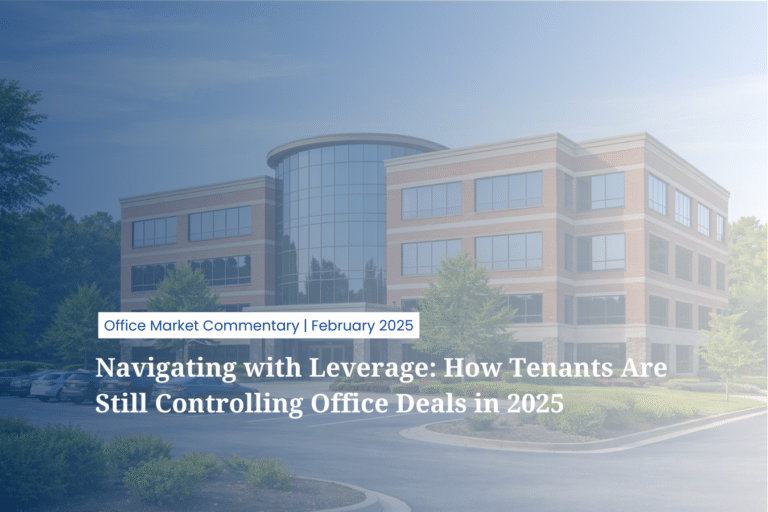
Despite persistent uncertainty around hybrid work and capital markets, tenants who understand where flexibility still exists are securing meaningful advantages...
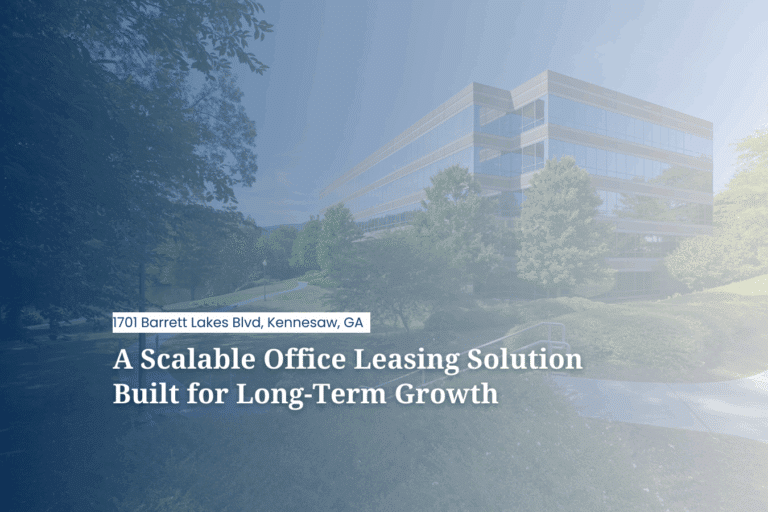
When a fast-growing Atlanta company faced foreclosure challenges, Lavista delivered a flexible leasing strategy that expanded their office footprint to 20,000 SF—while securing future growth...
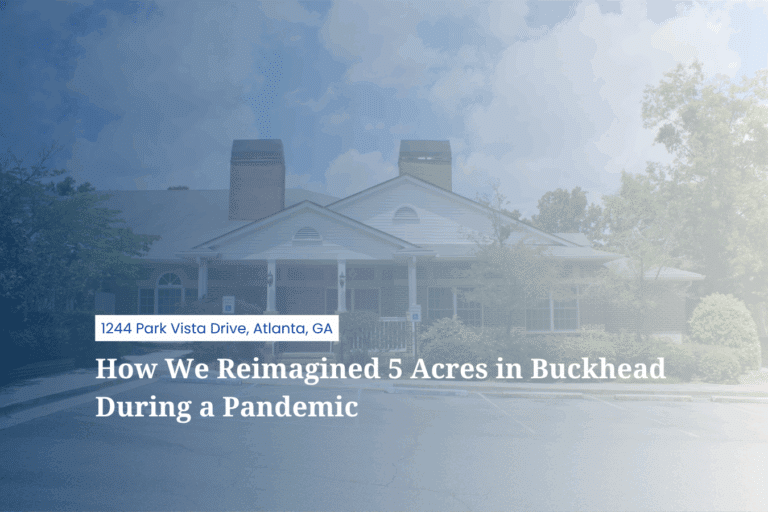
Turning a Former Hospice Property Into a High-Value Redevelopment Play...
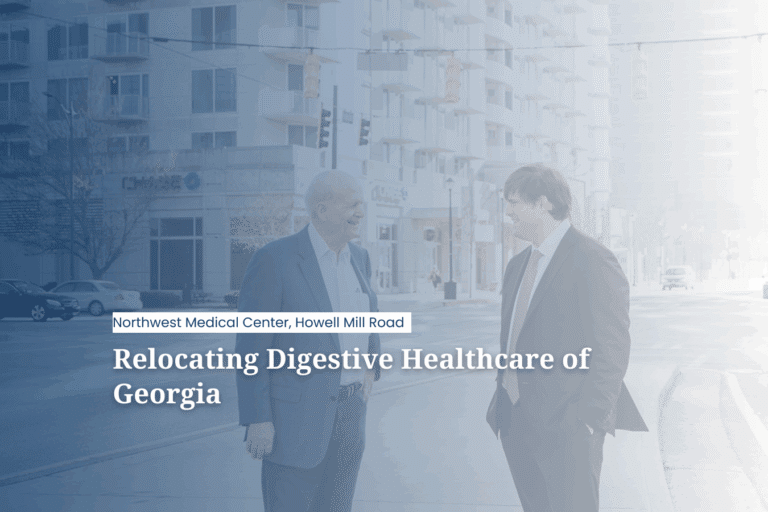
A Strategic Tenant Representation Success Story Overview In 2021, Digestive Healthcare of Georgia, a top gastroenterology practice in Metro Atlanta, began relocating from Piedmont Hospital’s main...